Human Centric Automation and New Era of Workplace Security
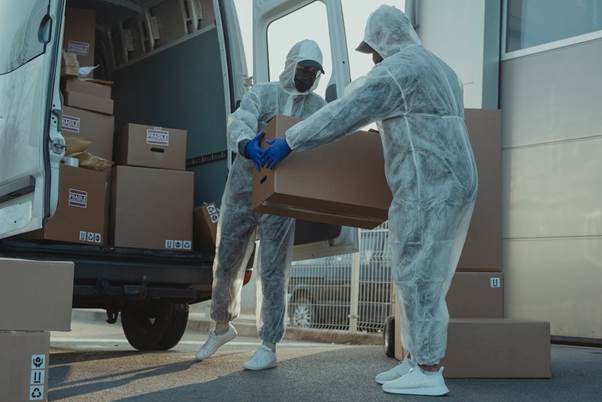
Human Centric Automation and the New Era of Workplace Security
The “man vs. machine” narrative has finally given way to something more practical: collaboration. As we navigate through 2026, automation has stopped being just about doing things faster. Its real power lies in extracting workers from what industry veterans call “The Three Ds”: dull, dirty, and dangerous tasks. For professionals charting their career trajectories, mastering smart infrastructure is the cornerstone of staying relevant while still being safe.
Robots as the New First Responders
Collaborative robots (called cobots) are rewriting the rules of workplace hazard management. These machines, alongside industrial drones, now handle inspections in toxic environments, scale dangerous heights, and navigate spaces where human presence would be reckless. A cobot can check for gas leaks in confined spaces or inspect cell towers at 200 feet without putting a single worker at risk.
For workers building expertise, two skill sets have become non-nogotiable: remote operations and robot supervision. These are present day requirements workers need in order to stay competitive. Operating a drone for infrastructure inspection or programming a cobot’s inspection route demands literacy, spatial reasoning, and real-time problem-solving. The professionals acquiring these capabilities are positioning themselves as the bridge between legacy operations and automated systems.
Persistence of Latent Health Concerns
Technology may prevent tomorrow’s injury, but it can’t erase yesterday’s exposure. A worker who spent fifteen years in asbestos-laden environments or around harmful chemicals carries that history forward, regardless of how automated their current workplace becomes.
While we engineer safe futures, we can’t abandon those whose health reflects the hazardous conditions of the past. For workers transitioning out of legacy industries, resources like Mesothelioma Hope provide essential navigation through medical and legal complexities of past occupational exposures. These connections matter because occupational diseases often surface decades after exposure.
Designing the “Zero-Harm” Office of the Future
Smart infrastructure isn’t confined to factory floors. White-collar environments are undergoing their own safety evolution, though the hazards look different. Office systems use these modern safety systems to protect workers:
- AI-driven lighting that adjusts throughout the day to support circadian rhythms and reduce eye strain.
- Advanced air filtration systems that monitor and eliminate particulates, volatile organic compounds, and biological contaminants in real time.
- tax return accountant
- Ergonomic furniture with sensors that remind workers to adjust posture, take breaks, and avoid repetitive strain patterns.
Research on green buildings reveals a direct correlation between environmental quality and cognitive function. Better air quality, natural light exposure, and thermal comfort leads to improved decision-making, creativity and sustained attention. For professionals this means that your physical environment is either amplifying or undermining your performance.
Building a Future-Proof Career
Technology has handed us the most powerful workplace safety tool in human history: the ability to remove people from harm’s way entirely. Every sensor deployed, every cobot programmed, and every environmental monitor installed represents a commitment that workers should leave in the same condition they arrived.
Professional intelligence means using every available tool to protect what no career advancement can replace: your physical health. The smartest professionals aren’t just building technical skills, they are creating careers where safety and productivity operate in perfect alignment.
Frequently Asked Questions (FAQs)
1. What does human centric automation mean?
Human centric automation focuses on using technology to support and protect workers rather than replace them. Its goal is to remove people from dull, dirty, and dangerous tasks while enhancing safety, productivity, and overall wellbeing.
2. How do collaborative robots (cobots) improve workplace safety?
Cobots are designed to work alongside humans and handle high-risk tasks such as inspections in toxic environments, confined spaces, or at extreme heights. This reduces direct human exposure to hazards and minimizes workplace injuries.
3. What role do drones play in modern workplace security?
Industrial drones are used for remote inspections, surveillance, and monitoring in areas that are unsafe or difficult for humans to access. They help identify risks early without putting workers in danger.
4. What skills are becoming essential in an automated workplace?
Two key skills are now essential: remote operations and robot supervision. Professionals who can operate drones, program cobots, and interpret real-time data are increasingly valuable in modern workplaces.
5. Does automation eliminate the need for human workers?
No. Automation shifts the role of workers rather than eliminating them. Humans remain critical for decision-making, oversight, problem-solving, and system management, while machines handle hazardous or repetitive tasks.
6. Why are past occupational health risks still relevant today?
Although automation improves current safety standards, previous exposure to hazardous materials like asbestos or chemicals can still affect workers decades later. Occupational illnesses often emerge long after exposure has ended.
7. How can workers affected by past workplace exposure get support?
Workers dealing with long-term health conditions from past exposure can seek help from specialized resources that provide medical guidance and legal support, helping them navigate complex health and compensation processes.
8. How is workplace safety evolving in office environments?
Modern offices now use smart systems such as AI-driven lighting, advanced air filtration, and sensor-based ergonomic furniture to reduce eye strain, improve air quality, and prevent repetitive strain injuries.
9. Do smart office environments really improve performance?
Yes. Research shows that better air quality, lighting, and thermal comfort improve cognitive function, creativity, focus, and decision-making, directly impacting productivity and job performance.
10. What is the “zero-harm” workplace concept?
The zero-harm approach aims to eliminate workplace injuries entirely by removing humans from dangerous situations through automation, sensors, and intelligent infrastructure.
11. How can professionals build a future-proof career in this new era?
Professionals can future-proof their careers by combining technical skills with safety awareness, staying updated on automation technologies, and prioritizing health alongside productivity.
12. Why is workplace safety considered a career investment?
No level of career growth can replace physical health. Using technology to stay safe ensures long-term career sustainability, better performance, and improved quality of life.